
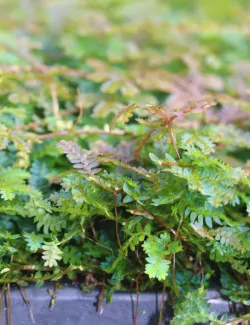
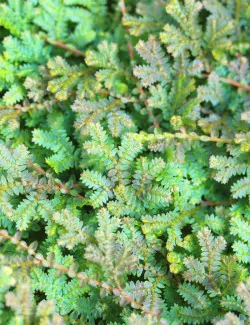
Drosera, commonly known as sundews, are among the most popular and easiest carnivorous plants to grow. Their leaves are covered with sticky mucilage that naturally traps small insects.
There are many Drosera species originating from very different regions around the world. Some species prefer tropical conditions while others require a cooler winter dormancy period. Specific requirements for each species are indicated in the Drosera collection.
Temperature and winter dormancy
Most Drosera tolerate temperatures up to 30°C (86°F) during summer. In winter, some species appreciate cooler conditions between 0°C and 15°C (32°F to 59°F) during their dormancy period.
Temperate species often require a cool winter rest to remain vigorous over the years.
What water should you use for Drosera?
As with most carnivorous plants, use only:
- rainwater
- reverse osmosis water
- demineralized water
Water rich in minerals or limestone quickly causes the plant to decline. Tap water and most bottled waters should therefore be avoided.
During summer, place the pot in a tray filled with water to keep the substrate moist. In winter, the substrate should remain fresh without becoming permanently waterlogged.
Light and exposure
Drosera require strong light to produce their famous sticky dew. Partial shade or several hours of gentle morning or late afternoon sun are suitable for many species.
A plant lacking light often produces less mucilage and weaker leaves.
From spring to autumn, Drosera continuously produce new leaves. During winter, some temperate species naturally slow their growth.
If you cannot leave temperate species outdoors during winter dormancy, place them in a cool room under suitable artificial lighting.
Best substrate for Drosera
The substrate must be nutrient-poor, acidic and well-draining. The easiest solution is to use a suitable carnivorous plant soil mix.
You can also prepare your own substrate using:
- 4 parts peat moss
- 1 part perlite
- 1 part vermiculite
Another suitable mix consists of:
- 2 parts blond peat
- 1 part non-calcareous sand
Dried sphagnum moss is also perfectly suitable for many Drosera species.
Should you fertilize Drosera?
No. Fertilizers should never be used for Drosera. These carnivorous plants naturally capture insects to meet their nutritional needs.
Using conventional fertilizer may burn the roots and permanently weaken the plant.
Why is my Drosera no longer producing dew?
A Drosera that no longer produces mucilage is usually experiencing a cultivation issue. The most common causes are:
- lack of light
- unsuitable water
- air that is too dry
- sudden environmental changes
- old substrate
After proper acclimation, the dew usually returns quickly.
Indoor or outdoor cultivation?
Many Drosera species can be grown indoors in bright conditions, in greenhouses or outdoors depending on their specific requirements.
Tropical species often appreciate warm and bright conditions year-round, while temperate species prefer a cool winter dormancy period.
Successfully growing Drosera
To successfully grow Drosera long term, remember these essential points:
- very pure water
- strong light
- a suitable carnivorous plant substrate
- no fertilizer
- species-specific winter dormancy when required
Under proper conditions, Drosera become vigorous, easy-to-grow carnivorous plants with spectacular dew-covered leaves.