
Livraison en 48h - Expéditions les lundi, mercredi & vendredi
New products
-
-
fougeres
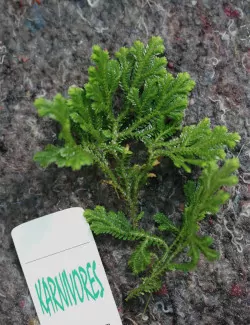
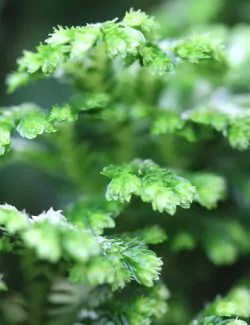
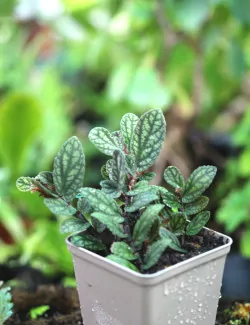
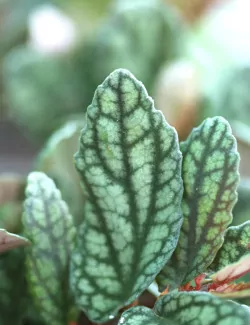
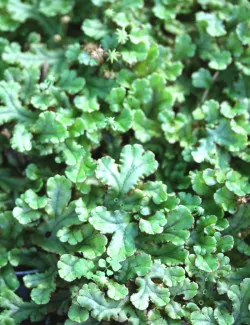
Hymenophyllum sp.Check out our full fern growing guide for more tips (light, watering, substrate, common mistakes to avoid).€8.00 Price
-
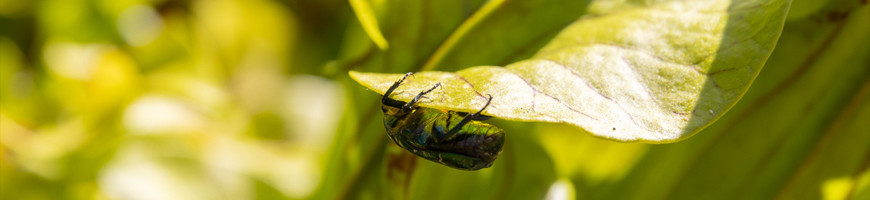
Should you feed your carnivorous plants
This is one of the most common questions among new carnivorous plant owners: should you feed them? The answer is generally no, and understanding why prevents a lot of mistakes.
Understanding natural feeding
1 - Does a carnivorous plant need to be fed?
No, generally not. A healthy plant, placed somewhere sufficiently bright, spontaneously captures the insects it needs to supplement its photosynthesis. This is the case, for example, with Utricularia, whose suction traps allow it to feed entirely on its own. Human intervention isn't necessary.
2 - Why do carnivorous plants capture insects?
They naturally grow in soils very poor in nitrogen and phosphorus. Capturing insects allows them to make up for this nutritional deficit, in addition to standard photosynthesis.
The risks of overfeeding
3 - Can you overfeed a carnivorous plant?
Yes, and it's one of the most common beginner mistakes. Giving too many insects or unsuitable prey can cause traps to rot and encourage mould to appear.
4 - Can a trap wear out from being triggered too often?
Yes, particularly in Dionaea: each trap can only close a limited number of times (around five to seven) before dying off naturally. Triggering it needlessly, just to watch the mechanism, uses up this capital for nothing.
5 - Can you give a carnivorous plant meat or cheese?
No, definitely not. These foods don't match what the plant can efficiently digest and risk causing the trap to rot rather than being absorbed.
If you want to feed occasionally
6 - What type of prey should be given?
Choose a live insect of a suitable size: ideally, it shouldn't exceed a third of the trap's size. A dead insect doesn't trigger digestive enzyme production in Dionaea, which wastes energy for nothing.
7 - How often can you feed occasionally?
Very rarely, only as an exception or for educational purposes. It's never necessary for the plant's survival if it's grown in good light conditions.
8 - Should you feed during dormancy?
No. During winter dormancy, the plant significantly slows its activity and needs no insect intake at all.
Feeding your carnivorous plant well (or not)
In the vast majority of cases, a carnivorous plant that's well exposed to light manages on its own. Manual feeding remains the exception rather than the rule, and overfeeding is far riskier than underfeeding.