
Livraison en 48h - Expéditions les lundi, mercredi & vendredi
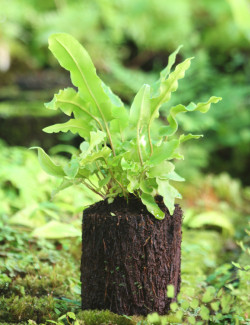
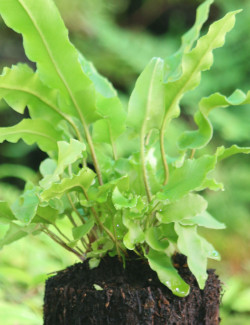

Neoregelia
Neoregelia are tropical bromeliads native mainly to Brazil. Highly appreciated for their colourful rosettes, they can be grown both in pots and as epiphytes and are particularly well suited to tropical terrariums. They are relatively easy to grow provided they receive enough light, warmth and humidity.
Growing and care
1 - Where should I place a Neoregelia?
Neoregelia prefer bright, warm and humid conditions. They can be grown in a bright room, a warm greenhouse or a tropical terrarium with sufficient lighting and good ventilation.
2 - How much light does a Neoregelia need?
Bright light encourages compact growth and, above all, more intense foliage colours. However, avoid strong direct sunlight, particularly behind glass. A Neoregelia receiving insufficient light will generally become greener and less colourful.
3 - How should I water a Neoregelia?
Keep a small amount of water in the centre of the rosette and replace it regularly. When grown in a pot, the substrate can also be kept slightly moist without remaining permanently waterlogged. When grown as an epiphyte, the roots can be moistened regularly.
4 - What temperature does a Neoregelia need?
Neoregelia generally prefer temperatures between 18 and 25°C. They can tolerate occasional variations, but they are tropical plants and must be protected from prolonged cold and frost.
Problems and solutions
5 - Why is my Neoregelia losing its colour?
Less intense colouring is often caused by insufficient light. Gradually move the plant to a brighter position. Colour intensity also depends on the variety and the stage of development of the plant.
6 - Why are my Neoregelia leaves turning brown?
Brown leaves can be caused by air that is too dry, insufficient watering or, conversely, sudden exposure to strong sunlight. Older leaves may also naturally dry out at the base of the rosette.
7 - Why is my Neoregelia rotting?
Rot usually occurs when the plant remains excessively wet in an environment with insufficient ventilation. Use a very well-draining substrate and ensure good air circulation, especially when growing Neoregelia in a terrarium.
8 - Why is my Neoregelia turning green?
Many varieties become greener when they do not receive enough light. Increasing the light level will generally allow the plant to gradually develop the characteristic colours of the variety again.
Growing techniques
9 - What substrate should I use for a Neoregelia?
Use a light, airy and very well-draining substrate. As Neoregelia are often epiphytic bromeliads, their roots should not remain in a compact growing medium that is permanently saturated with water.
10 - Can Neoregelia be mounted on xaxim?
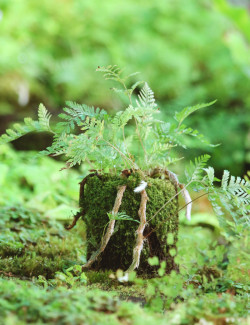
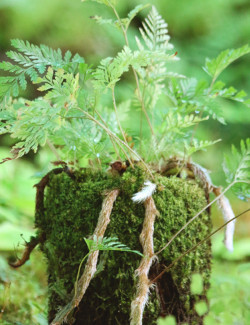
Yes. Neoregelia are particularly well suited to epiphytic cultivation. They can be mounted on panels, trunks or xaxim supports, where their roots can gradually attach themselves. This growing method is particularly suitable for creating natural tropical terrarium backgrounds.
11 - Can Neoregelia be grown in a terrarium?
Yes. Neoregelia are particularly well suited to bright and humid tropical terrariums. Their rosette shape, colourful foliage and ability to grow as epiphytes make them easy to incorporate into naturalistic displays. They are especially popular in terrariums housing dart frogs, crested geckos, Phelsuma and other tropical animals.
12 - Do Neoregelia produce pups?
Yes. Once mature, Neoregelia generally produce pups around or near the mother plant. These can be left in place to gradually form a clump or separated once they are sufficiently developed.
How to grow Neoregelia successfully
To grow Neoregelia successfully, provide plenty of light, warm and humid conditions and good air circulation. Keep some water in the rosette while avoiding a permanently waterlogged substrate. Whether grown in pots, mounted on xaxim or incorporated directly into a tropical terrarium display, Neoregelia are robust bromeliads that regularly produce new pups and can develop into beautiful colourful clumps over time.