
Livraison en 48h - Expéditions les lundi, mercredi & vendredi
New products

-
-
fougeres
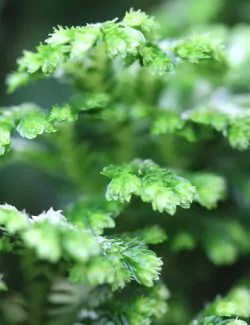
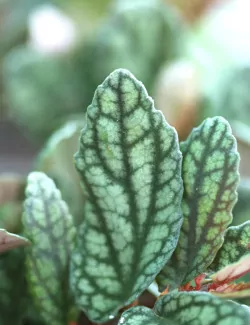
Hymenophyllum sp.Check out our full fern growing guide for more tips (light, watering, substrate, common mistakes to avoid).€8.00 Price
-

Mould on carnivorous plants
Carnivorous plants, grown in humid conditions favourable to their growth, can sometimes develop mould — notably Botrytis (grey mould), a very common fungus in horticulture. Understanding the conditions that cause it makes it easy to avoid.
Understanding Botrytis (grey mould)
1 - What is Botrytis?
Botrytis cinerea, also known as grey mould, is a very widespread fungus that can infect a large number of plant species. It's recognisable by its characteristic greyish fuzz, which develops on weakened, damaged or already dead tissue before it can spread to healthy parts.
2 - Why does it appear on carnivorous plants?
Carnivorous plants are grown in high-humidity conditions, an environment favourable to Botrytis, especially when air stagnates around the plant. Naturally blackened traps at the end of their life or wilted leaves provide an ideal entry point for the fungus, which first colonises already weakened tissue before spreading further.
3 - What conditions favour its development?
Botrytis develops mainly in cool, humid weather, with very high relative humidity and poor air circulation. This is why periods of high ambient humidity, such as during winter dormancy or in a closed terrarium, are particularly worth watching.
Other possible moulds
4 - Are all moulds as dangerous as Botrytis?
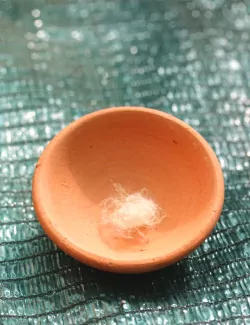
No. It's important to distinguish Botrytis, which attacks living plant tissue, from the white, fluffy mould that sometimes appears on the surface of the substrate (peat, sphagnum). The latter is most often saprophytic fungi such as Trichoderma or Penicillium: they only feed on dead organic matter and are not pathogenic to the plant itself.
5 - Should I worry about white mould on the substrate surface?
Under normal circumstances, no: these fungi are naturally present in peat and even help break it down, with some species like Trichoderma known to limit the spread of other pathogenic fungi. Only when growth is excessive, covering a large area, can they hinder substrate aeration and water absorption. Simply scraping the surface and improving ventilation is usually enough to make it disappear.
Preventing mould
6 - How can I prevent Botrytis on my plants?
The best prevention is to ensure good air circulation around the plants, avoid stagnant excess humidity, and regularly remove dead or wilted parts before they become a source of infection.
7 - Does overwatering encourage mould?
Yes. A substrate that's constantly waterlogged, with no air circulation at all, creates an ideal microclimate for fungal growth. Keep humidity adequate without permanent excess.
8 - Can live sphagnum moss go mouldy?
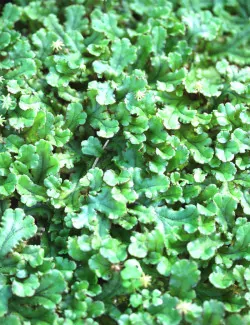
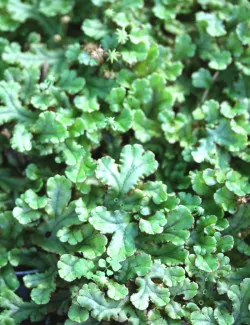
Yes, sphagnum can develop mould if kept too compact, too wet and without enough light. Good light and sufficient spacing between strands favour healthy growth rather than fungal development.
9 - Does growing in a terrarium increase the risk?
Yes, a closed terrarium naturally builds up more humidity and less air renewal than growing outdoors or in an open indoor space. Regular airing, even briefly, greatly reduces the risk of mould.
What to do in case of mould
10 - How do I treat a plant already affected by Botrytis?
Immediately remove the affected parts with a clean tool, cutting well beyond the visible area of mould. Then improve ventilation around the plant and temporarily reduce ambient humidity if possible.
11 - Should a plant affected by Botrytis be isolated from others?
This is recommended as a precaution during treatment, as Botrytis spores spread easily through the air and contact between neighbouring plants.
12 - Can the plant survive an infection?
Yes, in most cases, provided you act quickly. Botrytis primarily attacks already weakened tissue; an otherwise vigorous plant usually recovers well once the infected parts are removed and growing conditions are corrected.
Successfully preventing mould on your carnivorous plants
Botrytis develops mainly in stagnant, poorly ventilated humid conditions, while white mould on the substrate is usually harmless. Good air circulation, regular removal of dead parts, and increased vigilance during humid periods (winter dormancy, terrarium) prevent the vast majority of problematic cases.