
Livraison en 48h - Expéditions les lundi, mercredi & vendredi
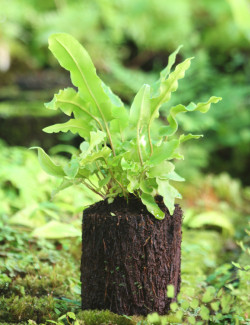
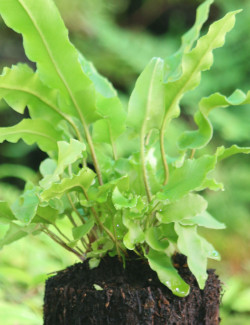

Heliamphora
Heliamphora are tropical carnivorous plants appreciated for their elegant pitchers and spectacular growth. Native to the Tepuis of South America, they enjoy high humidity, bright light and relatively stable conditions.
1 - What light do Heliamphora need?
Heliamphora enjoy bright light without prolonged scorching sun.
Good lighting encourages compact growth and improves pitcher coloration.
2 - What humidity do Heliamphora need?
Heliamphora appreciate high humidity, especially when grown indoors or in terrariums.
Air that is too dry may cause the pitchers to dry out and slow down growth.
3 - What substrate should be used for Heliamphora?
Heliamphora require a light, draining and mineral-poor substrate.
Mixes based on sphagnum moss, perlite or airy blonde peat generally provide very good results.
4 - Should the substrate remain moist?
Yes, the substrate should remain constantly moist without becoming waterlogged.
Excess stagnant water may encourage root rot, especially during warm conditions.
5 - What temperature do Heliamphora prefer?
Heliamphora appreciate moderate temperatures with relatively cool nights.
Extended periods of high heat may weaken the plants, especially indoors with poor ventilation.
6 - Can Heliamphora be grown indoors?
Yes, but Heliamphora generally require bright light, high humidity and stable temperatures.
Growing them in a terrarium or tropical greenhouse usually gives better results.
7 - Why is my Heliamphora turning black?
A Heliamphora may turn black because of excessive heat, dry air, unsuitable substrate or poor water quality.
The natural aging of older pitchers remains completely normal.
8 - Why are the pitchers drying out?
Drying pitchers are often linked to low humidity, excessive heat or difficult acclimation after shipping.
A gradual recovery in suitable conditions generally improves the situation.
9 - Should I feed a Heliamphora?
Heliamphora naturally capture small insects when grown in suitable conditions.
There is no need to overfeed the plant.
10 - Are Heliamphora difficult to grow?
Heliamphora are generally more demanding than Venus Flytraps or Sarracenia, but they remain accessible with suitable conditions.
High humidity, pure water and stable temperatures usually provide very good results.
Successfully growing Heliamphora
Heliamphora appreciate stable growing conditions with plenty of light, high humidity and a constantly moist light substrate.
With suitable conditions, these tropical carnivorous plants quickly develop magnificent colorful pitchers and become particularly spectacular in terrariums or greenhouses.