
Livraison en 48h - Expéditions les lundi, mercredi & vendredi
New products
-
-
fougeres
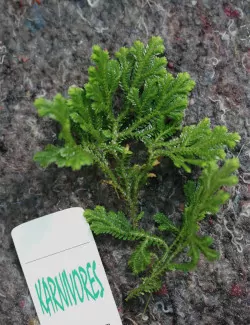
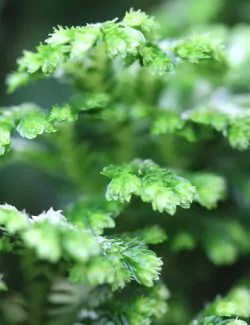
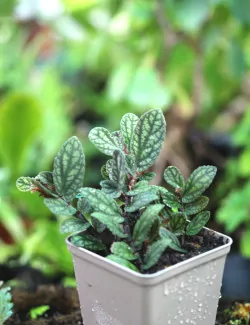
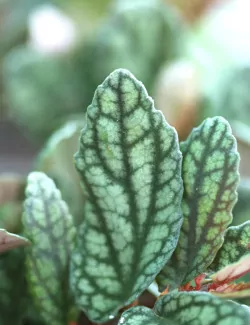
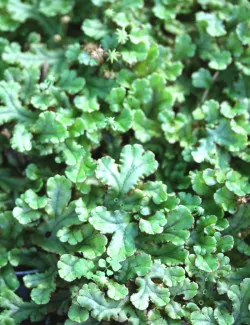
Hymenophyllum sp.Check out our full fern growing guide for more tips (light, watering, substrate, common mistakes to avoid).€8.00 Price
-
Beginner's guide to carnivorous plants: how to get started
Welcome to the world of carnivorous plants
Carnivorous plants are as intriguing as they are fascinating. Contrary to popular belief, they are not difficult to grow: you just need to understand a few simple principles related to their natural habitat — poor, humid soils — to succeed in growing them over the long term.
This guide gives you the essential pointers to get started, before going further with our detailed sheets.
The 3 basic rules to know before you start
Water: never use tap water. Only rainwater, reverse osmosis water or very low-mineral water are suitable.
Substrate: always poor in nutrients (blonde peat, sphagnum moss, perlite). A standard or enriched potting soil is fatal to most species.
Light: most carnivorous plants need strong sunlight, especially Dionaea and Sarracenia.
Find more details on these principles in our Cultivation techniques section.
Understanding each plant's needs
Each genus has its own requirements in terms of light, watering and substrate. A Dionaea, a Drosera or a Sarracenia is not grown the same way.
Check our Growing tips for each plant section to access the sheet dedicated to your species.
Avoiding the most common mistakes
Most failures come from a handful of recurring mistakes: tap water, unsuitable substrate, lack of light or forgotten winter dormancy.
Our Problems & solutions section lists the classic mistakes and their fixes, as well as the warning signs to watch for (blackening, yellowing, rotting plants...).
Getting started, step by step
- Choose a hardy species suited to your environment (indoors, outdoors, greenhouse)
- Plant it in a poor substrate and a suitable pot
- Water only with suitable water, keeping the substrate moist
- Place it somewhere with enough light
- Respect its winter dormancy period if the species requires it
Going further
Once you have these basics down, you can deepen your growing knowledge with our plant-specific sheets, our technical guides, or our blog dedicated to carnivorous plants, which offers more in-depth articles.
Growing guide and tips | Growing tips by plant | Cultivation techniques | Problems and solutions
Subcategories
-
Which plant to choose...
With over 600 species of carnivorous plants, not all are equally easy to grow. Some forgive beginner mistakes readily, while others are much more demanding. Here's how to choose your first plant well.
The best species for beginners
1 - What is the easiest carnivorous plant for beginners?
The Dionaea muscipula (Venus flytrap) is generally considered the most accessible: hardy, spectacular and tolerant of minor mistakes, provided you respect the right water, light and basic substrate.
2 - Is Drosera suitable for beginners?
Yes, particularly Drosera capensis, one of the hardiest and most tolerant species of the genus. It grows quickly, self-seeds easily and forgives a slight lack of light.
3 - Are Sarracenia suitable for beginners?
Yes, some species such as S. purpurea are particularly hardy and frost-resistant, making them good candidates for outdoor growing without much prior experience.
4 - Is Pinguicula a good first plant?
Yes, temperate Pinguicula are low-maintenance in terms of humidity and easy to care for, with attractive foliage all year round. They're an interesting alternative to more spectacular species.
Species to avoid at first
5 - Are Nepenthes suitable for beginners?
Not really. Nepenthes require constant, high ambient humidity, often difficult to maintain without a terrarium or greenhouse, which makes them trickier for a first attempt.
6 - Why avoid certain Dionaea varieties at first?
Unusual cultivars (elongated teeth, ladle-shaped traps, rare colours) are often more fragile and demanding than the classic Dionaea muscipula. It's best to master the type species before moving on to these varieties.
7 - Are tropical species harder to grow?
Generally yes, as they require a stable, high temperature year-round with no dormancy period, unlike temperate species which follow a simpler natural cycle to respect.
Getting your collection off to a good start
8 - Is it better to start with one plant or several species?
It's recommended to start with one or two easy species rather than a varied collection, giving yourself time to properly understand the basic needs (water, light, substrate) common to most carnivorous plants.
9 - Are there kits suitable for beginners?
Yes, selections of hardy plants paired with essential equipment (substrate, suitable pot) allow you to get started with confidence, limiting the most common early mistakes.
Choosing your first carnivorous plant well
Dionaea muscipula, Drosera capensis, certain hardy Sarracenia and temperate Pinguicula are the best choices for beginners: hardy, tolerant and easy to observe. Once you've mastered these basics, you can gradually move towards more demanding species such as Nepenthes or rare cultivars.