
Livraison en 48h - Expéditions les lundi, mercredi & vendredi
New products
-
-
fougeres
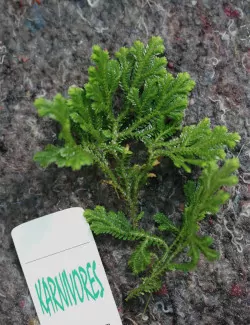
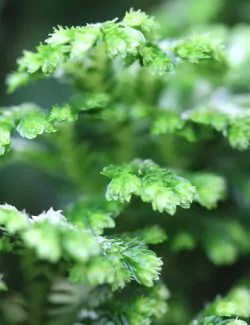
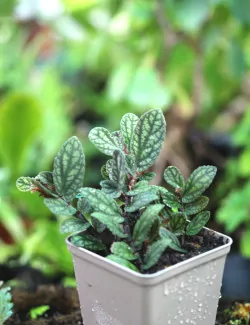
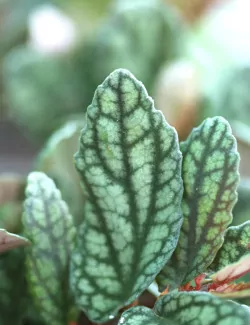
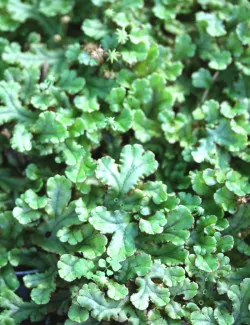
Hymenophyllum sp.Check out our full fern growing guide for more tips (light, watering, substrate, common mistakes to avoid).€8.00 Price
-
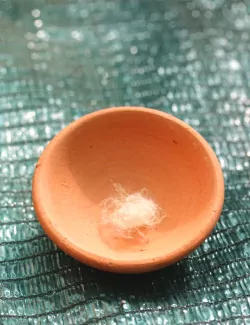
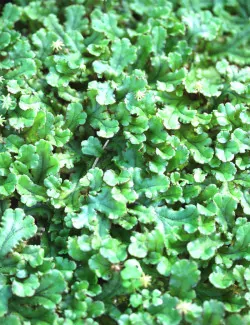
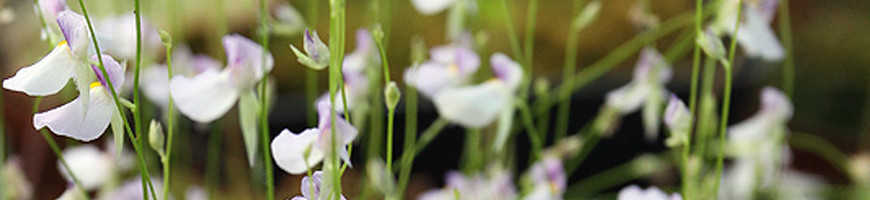
Utricularia (bladderwort)
Utricularia (bladderwort) is a carnivorous plant with a singular way of feeding: with no roots, it captures its prey using tiny suction traps. Here's the essential guide to growing it well.
Temperature and environment
1 - What temperature suits Utricularia?
Up to 35°C in summer and 10 to 15°C in winter. It's a plant that tolerates typical seasonal variation well, whether grown indoors in a bright spot or outdoors in a sheltered location.
Watering it well
2 - What water should be used for Utricularia?
Only rainwater, demineralised or reverse osmosis water. Water that's too hard causes the plant to decline within a few weeks. Don't use bottled water, as it generally contains too many salts, which harm the plant.
3 - How should it be watered in summer?
Place the plant in a large saucer filled with water, to maintain constant moisture during its active growing period.
4 - How should it be watered in winter?
Simply keep the substrate moist, without excess stagnant water.
Light and substrate
5 - What light does Utricularia need?
Strong light year-round. Sun exposure encourages abundant flowering, one of this plant's most decorative features.
6 - What substrate should be used?
The mix for carnivorous plants suits most cases: blonde peat, perlite and vermiculite (4:1:1), or blonde peat and non-calcareous aquarium sand (2:1). Dehydrated sphagnum also works perfectly well.
General care
7 - Should Utricularia be fertilised?
No, this should be avoided entirely. The plant meets its own organic nutrient needs through its traps, like all carnivorous plants.
8 - Does Utricularia need to be fed by hand?
No, its suction traps allow it to capture the micro-organisms it needs on its own, provided it's grown in suitable conditions (water, light, substrate).
Successfully growing Utricularia
Suitable water, strong light and a nutrient-poor substrate are enough to make this unusual carnivorous plant thrive, as it feeds itself through its traps. Follow these few simple rules to enjoy its spectacular flowering.