
Livraison en 48h - Expéditions les lundi, mercredi & vendredi
New products
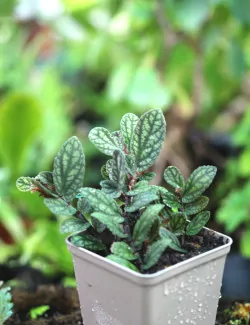
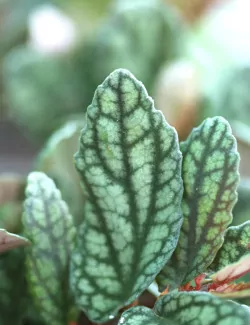
-
-
fougeres
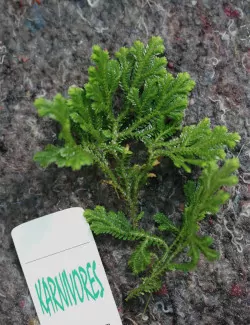
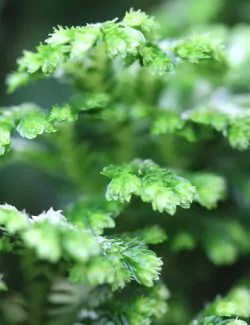
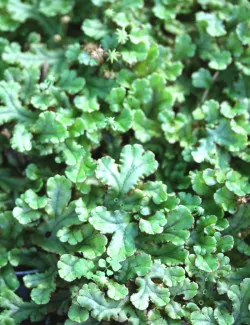
Hymenophyllum sp.Check out our full fern growing guide for more tips (light, watering, substrate, common mistakes to avoid).€8.00 Price
-
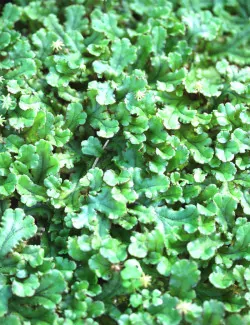
Ferns
Ferns are ideal plants for terrariums and bright rooms without direct sunlight. Here's the essential guide to growing them well, whether terrestrial or epiphytic.
Light and placement
1 - What light do ferns need?
Bright but diffused light. Avoid direct sunlight, including through glass, which can burn the delicate foliage of most species.
2 - Do ferns tolerate shade?
Yes, most species do well in partial to full shade, making them good candidates for the less bright corners of a home or terrarium.
Humidity and watering
3 - What humidity level suits them?
Between 60 and 80% depending on the species, with gentle ventilation to avoid stagnant air. This is why terrarium growing suits them particularly well.
4 - How should a fern be watered?
Regularly but moderately: the substrate should stay moist without ever being permanently saturated. Good drainage is essential to avoid root rot.
Substrate and support
5 - What substrate should be used?
A well-draining substrate, suited to the species: some ferns tolerate calcareous or neutral soil, unlike carnivorous plants which require an acidic, nutrient-poor substrate.
6 - Do epiphytic species need a special support?
Yes, epiphytic ferns grow well on xaxim, bark, or a light, airy mix rather than in a standard pot.
General care
7 - Should ferns be fertilised?
Yes, unlike carnivorous plants: a light, occasional fertiliser suits ferns well, as they aren't adapted to a nutrient-poor substrate.
8 - Can ferns be grown outdoors?
Some hardy species tolerate cold well, down to -15/-20°C for the toughest ones, and adapt well to shaded corners of a garden.
Successfully growing ferns
Diffused light, high humidity and regular watering without excess are enough to make most ferns thrive. Unlike carnivorous plants, they appreciate a light dose of fertiliser and a more conventional substrate.