
Carnivorous plants: An ecological solution against crop pests
Professional biological control using carnivorous plants
In the field of professional pest control, carnivorous plants are emerging as an ecological and innovative solution. Far removed from traditional chemical methods, they offer a natural and sustainable approach to biocontrol.
For professionals in horticulture , nurseries , seeds , garden centers or landscaping , integrating carnivorous plants represents a complementary strategy for managing pest insect populations without environmental impact.
Specializing in capturing and digesting insects, carnivorous plants can become valuable allies in controlling fruit flies , fungus gnats , whiteflies , and many other insects that threaten your crops. They are particularly useful in controlled environments such as greenhouses.

________________________________________
Drosera: A versatile solution against insects
Drosera are carnivorous plants with so-called "passive" traps, meaning that these plants do not select the prey they catch. At least, that's what we know so far, because it has recently been discovered that other carnivorous plants with passive traps are not so passive after all (see the CNRS publication - Ecology & Environment: https://www.inee.cnrs.fr/fr/cnrsinfo/les-plantes-carnivores-sarracenies-composeraient-leurs-menus-en-modulant-les-odeurs ).
Placed at regular intervals among the crops, these carnivorous plants will trap anything within reach of their mucilage (sticky substance). What's so remarkable about them, compared to traditional sticky traps, is that not only do they eliminate the captured insects, but these insects also stimulate plant growth. Thus, the more insects there are, the more the plant grows to capture even more.

________________________________________
Sarracenia: A solution against the Asian hornet?
NO, Sarracenia are not a miracle solution.
Like Drosera, Sarracenia are not selective, which is a major drawback if one wishes to use this plant as a means of controlling Asian hornets ( Vespa velutina ). On the one hand, their use can impact other species, particularly protected ones, and on the other hand, an incredible quantity would be needed to affect the 6,000 individuals in a nest.
A study entitled " Sarracenia carnivorous plants cannot serve as efficient biological control of the invasive hornet Vespa velutina nigrithorax in Europe " (published in 2018 in the highly respected journal Rethinking Ecology: https://rethinkingecology.pensoft.net/article/28516/ ) also reaches the same conclusion.

BUT, Sarracenia plants still consume Asian hornets.
Their use at the beginning of the season , when the nests only contain a few hundred individuals, will in fact have an impact on these colonies.
A growing number of beekeepers are telling us that they use these methods to control bee populations, rather than eliminating them, and that they are getting relatively good results . If you have any experience to share, please do so, providing context (location, type of production, number of swarms, impacting immediate environment, etc.).
Finally, their use in conjunction with other control methods can only make the overall fight more effective!
________________________________________
Conditions for effectiveness for professionals
Environment : For maximum effectiveness, carnivorous plants require specific conditions (light, humidity, substrate) that can be controlled in a professional setting (greenhouses, growth chambers). A thorough understanding of their needs ensures their vigor and therefore their capture capacity.

Complementarity : The use of carnivorous plants fits perfectly into an integrated pest management strategy . They can complement the action of beneficial insects ( ladybugs , lacewings ) or reduce the need for chemical treatments. However, it must be accepted that, like many biocontrol methods, carnivorous plants cannot be used alone and must be part of a comprehensive action plan.
________________________________________
Karnivores.com's advice for professionals
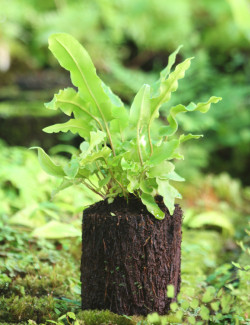
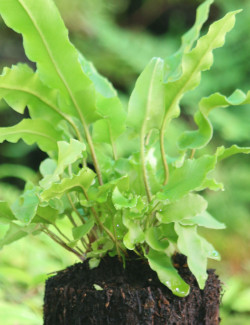
For a professional biocontrol strategy, diversify the species of carnivorous plants to target a broader spectrum of pests. Potted plants are just as suitable as plants in small plugs , which can then be repotted as needed into containers adapted to the constraints of your operation.
For large volumes of plants, please contact us , preferably anticipating your needs.
