
Livraison en 48h - Expéditions les lundi, mercredi & vendredi
New products
-
-
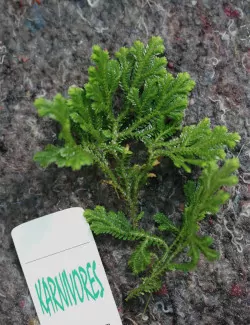
fougeres
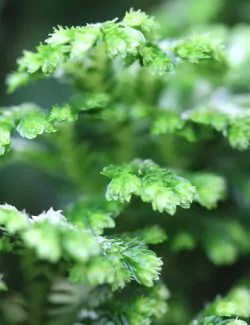
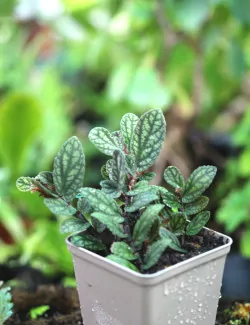
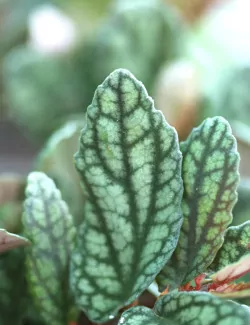
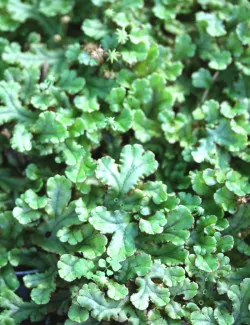
Hymenophyllum sp.Check out our full fern growing guide for more tips (light, watering, substrate, common mistakes to avoid).€8.00 Price
-

Why is my carnivorous plant turning yellow
Yellowing is one of the most common symptoms in carnivorous plants. It doesn't always signal a serious problem, but it almost always indicates that a growing condition needs adjusting.
Understanding yellowing
1 - Is yellowing always a concern?
No. In some species, older leaves turning yellow is part of the plant's natural foliage renewal cycle. It's mainly widespread or sudden yellowing that should raise concern.
2 - What's the difference between yellowing and blackening?
Blackening generally affects parts already at the end of their life (see our page on Dionaea blackening), whereas yellowing more often concerns still-living tissue reacting to a growing imbalance.
The most common causes
3 - Can too much light cause yellowing?
Yes, an exposure that's too sudden or too intense, particularly after a poorly managed transition outdoors, can cause a sunburn-like yellowing on the most exposed tissue.
4 - Can a lack of light also cause yellowing?
Yes, conversely, pale yellow, leggy foliage often points to a lack of light, with the plant elongating its tissue to compensate, at the expense of colour.
5 - Can unsuitable water cause yellowing?
Yes. Water that's too mineral-rich (tap water in particular) leads to a build-up of salts in the substrate, which can progressively yellow the foliage. Only suitable water (rain, reverse osmosis, demineralised) should be used.
6 - Can an unsuitable substrate be the cause?
Yes, a substrate that's too rich, enriched, or degraded over time can throw the plant off balance and cause progressive yellowing of the foliage.
7 - Could a lack of prey play a role?
In some species, mild yellowing could come from a prolonged shortage of insect prey, with the plant receiving less nitrogen than it would in its natural habitat. This factor remains secondary to water, light or substrate, and should not lead to overfeeding the plant regardless.
8 - Can dormancy explain yellowing?
Yes, in several species, yellowing foliage naturally accompanies the onset of winter dormancy, before growth resumes in spring.
What to do about yellowing
9 - Should yellowed leaves be cut off?
Yes, once completely dry, they can be removed to keep the plant tidy, without hindering its growth.
10 - How can I tell if the cause is water or light?
Pale, diffuse yellowing across the whole plant tends to point to a lack of light, whereas localised yellowing on the most exposed parts tends to point to too much light or unsuitable water.
11 - Can the plant regain its normal colour?
Already yellowed leaves generally don't turn green again, but once the cause is corrected, new growth comes back with normal colouring.
Responding well to a yellowing plant
Yellowing is rarely a sign of imminent death, but it's always an indicator worth taking into account. By checking light, water quality and substrate, you'll usually quickly identify the cause and can correct the growing conditions before the problem worsens.