
Livraison en 48h - Expéditions les lundi, mercredi & vendredi
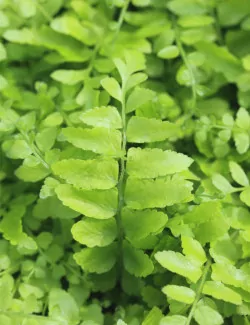
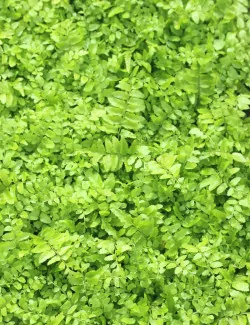
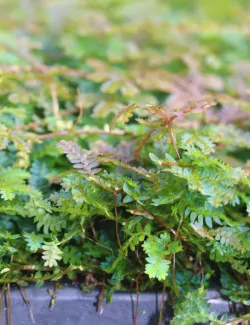
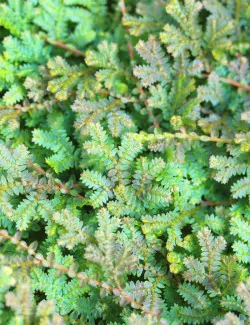

Live Sphagnum Moss (Sphagnum cristatum)
Live sphagnum moss is an essential moss for growing carnivorous plants, Nepenthes, orchids and many terrarium plants. Able to retain large amounts of water while remaining particularly airy, it can be used as a substrate, as a top dressing or to create a natural living carpet.
How do you grow live sphagnum moss? What type of water should you use? How much light does it need? Why does it sometimes turn yellow or brown? How can you propagate it? Here you will find answers to the most frequently asked questions about live sphagnum moss.
1 - What is live sphagnum moss?
Live sphagnum moss is a moss belonging to the genus Sphagnum that naturally grows in very wet, acidic and nutrient-poor environments, particularly peat bogs.
It does not have true roots. Growth mainly occurs at the tips: the upper parts remain alive and continue to grow while the lower parts gradually age. Its ability to retain large amounts of water while maintaining an airy environment explains why it is widely used with carnivorous plants, orchids, tropical plants and in terrariums.
2 - How do you grow live sphagnum moss?
To grow live sphagnum moss successfully, three conditions are particularly important: plenty of moisture, very low-mineral water and sufficient light.
Place the sphagnum moss on a few centimetres of blonde peat, rehydrated dead sphagnum moss or another nutrient-poor medium capable of retaining moisture. Keep everything constantly moist without completely submerging the living parts. Under good conditions, new growth will gradually appear and colonise the available surface.
3 - What type of water should you use for live sphagnum moss?
Water quality is one of the most important factors for successfully growing live sphagnum moss. Ideally, use clean rainwater or reverse osmosis water.
Sphagnum moss is naturally adapted to water that contains extremely low levels of minerals. Water containing too much calcium or other dissolved minerals can eventually cause browning, followed by slower growth or even a complete stop in growth.
4 - Can you water live sphagnum moss with tap water?
It is best to avoid tap water, particularly if it is hard or highly mineralised. Repeated use of mineral-rich water gradually causes minerals to accumulate in the growing medium.
As with most carnivorous plants, clean rainwater, reverse osmosis water or extremely low-mineral water should therefore be preferred.
5 - How much light does live sphagnum moss need?
Sphagnum moss needs good light to grow. Bright but diffuse light generally encourages regular, compact growth.
Insufficient light significantly slows its growth. Conversely, sudden exposure to intense sunlight, particularly under glass or inside an enclosed container, can cause temperatures to rise sharply and quickly dry out the growing tips. Indoors or in a terrarium, sphagnum moss can grow very well under suitable horticultural lighting.
6 - Why is my live sphagnum moss turning brown or yellow?
Sphagnum moss turning brown or yellow may be suffering from insufficient water, overly mineralised water, excessive heat or excessively intense light.
However, it is important to distinguish the living growing tips from the older lower parts. It is normal for older parts to gradually turn brown as the sphagnum grows. If the growing tips themselves turn brown and stop growing, first check the water quality, moisture level and light conditions.
7 - How do you keep live sphagnum moss green?
To keep live sphagnum moss green, maintain constant moisture, use very low-mineral water and provide sufficient light without causing overheating.
Avoid enriched substrates and fertilisers. Sphagnum moss is naturally adapted to extremely nutrient-poor environments and excessive nutrients can quickly damage it. Its colour can nevertheless vary naturally depending on the species, season and growing conditions.
8 - How do you propagate live sphagnum moss?
Propagating live sphagnum moss is relatively simple. Take fragments containing living growing tips and spread them over a moist surface such as blonde peat or rehydrated dead sphagnum moss.
Then maintain high moisture levels, use very low-mineral water and provide good light. The growing tips will continue to develop and new branches will gradually appear. A small amount of live sphagnum moss can therefore eventually be used to produce a much larger growing area.
9 - What is the difference between live and dried sphagnum moss?
Live sphagnum moss continues to grow when provided with suitable conditions. It is particularly useful as a living top dressing, in certain terrariums or when you want to propagate your own sphagnum moss.
Dried sphagnum moss is sphagnum that has been harvested and dried. It should not be considered live sphagnum moss, but it retains its main physical properties: excellent water retention, lightness and aeration. It is commonly used in growing media for carnivorous plants, orchids and epiphytic plants.
10 - Can live sphagnum moss be used for carnivorous plants?
Yes. Live sphagnum moss is particularly well suited to carnivorous plants because it helps maintain a moist, acidic, nutrient-poor and well-aerated growing environment.
It can be used as a top dressing or as a growing medium depending on the species. It is particularly useful for many Nepenthes and other carnivorous plants that appreciate a very airy substrate. However, not all carnivorous plants have the same requirements, and growing them in pure live sphagnum moss is not always necessary.
11 - Can live sphagnum moss be used in a terrarium?
Yes, live sphagnum moss is particularly well suited to humid terrariums. It can be used as a top dressing, around plants or to gradually create a natural living carpet. Its excellent water-retention capacity also helps maintain high humidity around the plants.
To keep it compact and growing properly, it needs sufficient light and must remain constantly moist with very low-mineral water. Some air circulation is nevertheless important: a humid terrarium does not necessarily need to have stagnant air.
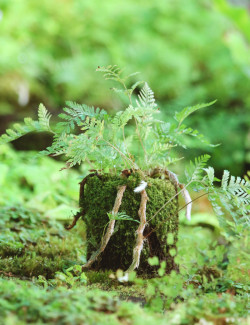
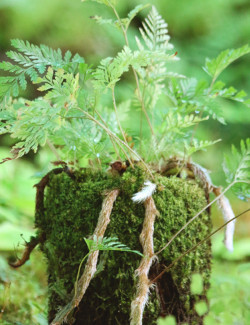
Live sphagnum moss is particularly suitable for compositions combining tropical carnivorous plants, orchids, ferns and other terrarium plants.
Successfully growing live sphagnum moss
Live sphagnum moss will grow successfully over the long term if three essential requirements are met: very low-mineral water, constant moisture and good light.
Most problems involving yellowing, browning or slow growth are caused by overly mineralised water, drying out or unsuitable light conditions. By meeting these simple requirements, sphagnum moss can grow and propagate successfully over the long term.