
























Special products

- -15%

dionaea
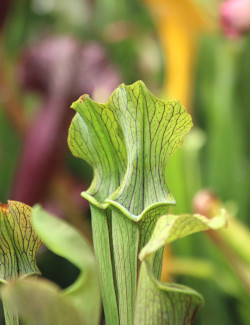
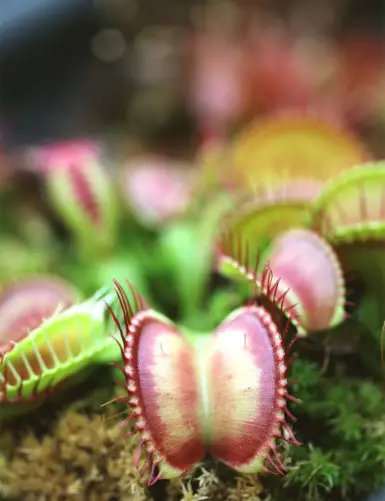
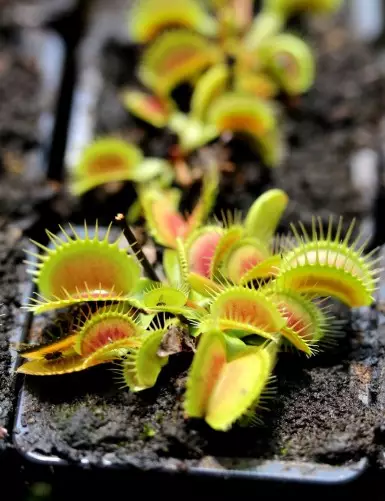
Dionaea muscipula BimboDionaea Bimbo is a generous form of Dionaea muscipula with traps described as giant like for...
€17.00
Regular price
-15%
€20.00
Price

- -€2.30


dionaea
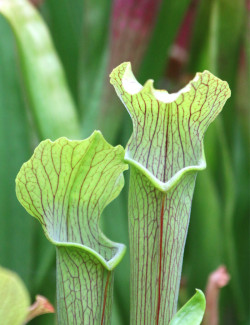
Dionaea funnel trap - Dionaea TrichtefalleThis unusual Dionaea has two types of traps. Some, like the funnel trap, are classic with two...
€16.70
Regular price
-€2.30
€19.00
Price

- -15%
- New

sarracenia
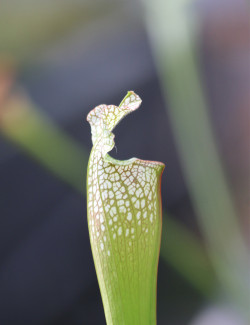
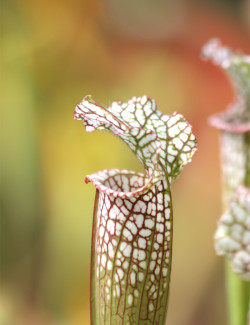
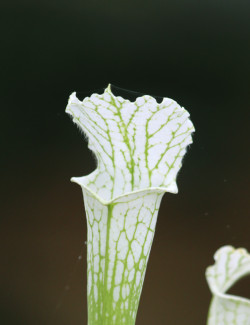
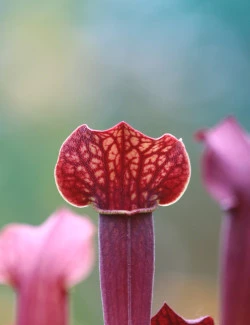
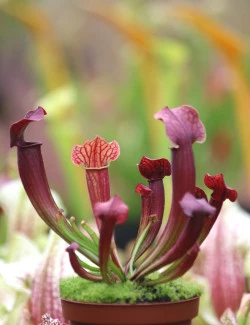
Sarracenia TessSarracenia 'Tess' is a horticultural hybrid of a carnivorous plant belonging to the genus...
€15.30
Regular price
-15%
€18.00
Price
- -20%
neoregelia
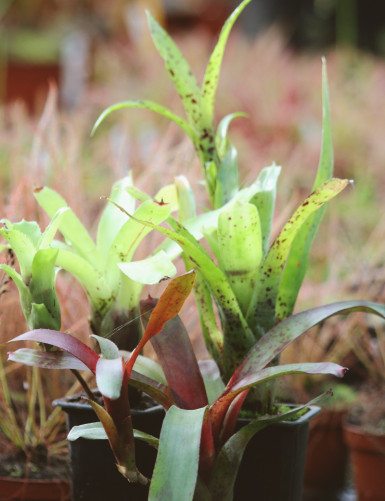
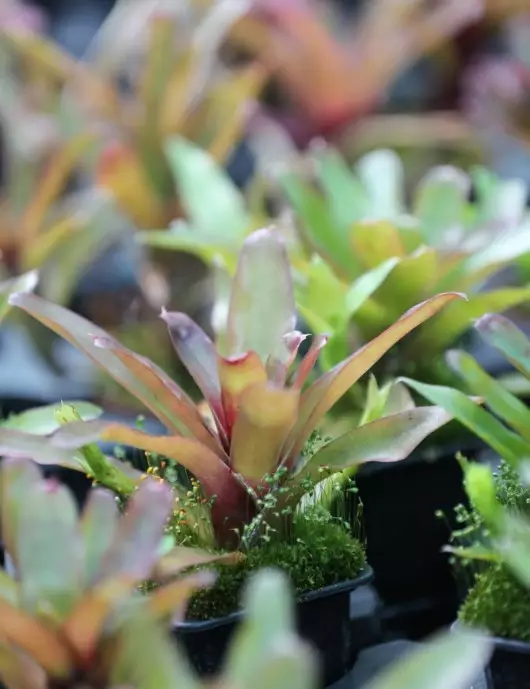
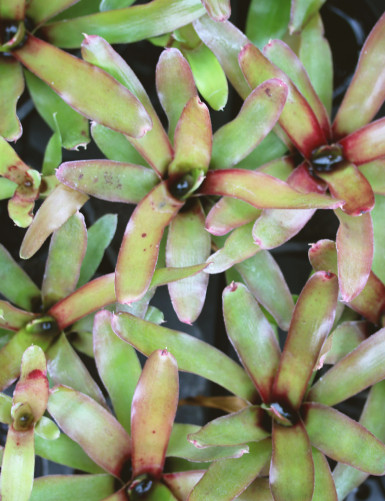
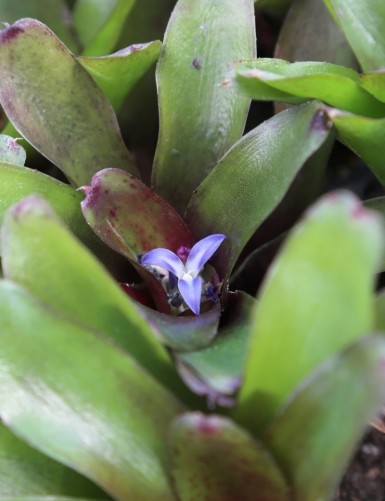
Neoregelia MephistoDiscover our complete guide to Neoregelia growing and care: light, watering, temperature,...
€8.32
Regular price
-20%
€10.40
Price

- -20%


carnivorous-plants
Dionaea muscipula 'Paradisia' - Mini-mottesIn the beautiful Dionaea family, Dionaea 'Paradisia' is a horticultural variety that sports...
€8.00
Regular price
-20%
€10.00
Price

- -10%

tillandsia
Tillandsia pueblensis - 5 to 8 cmTillandsia pueblensis – Elegant air plant
Tillandsia originates from southern Mexico , where...
€7.65
Regular price
-10%
€8.50
Price

- -20%


tillandsia
Tillandsia pohliana - 12 to 18 cmTillandsia native to South America (Peru, Bolivia, Brazil, Paraguay and Argentina) , where it...
€6.40
Regular price
-20%
€8.00
Price

- -15%


fougeres
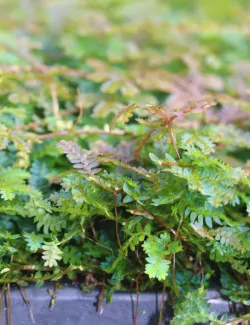
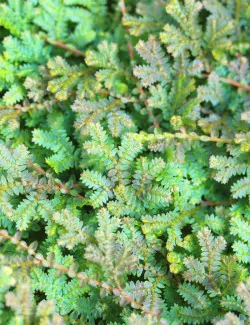
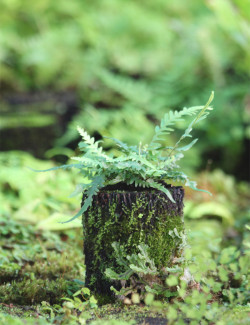
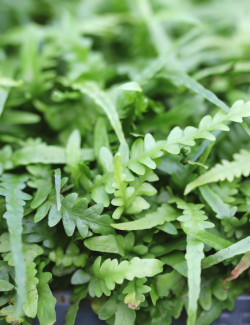
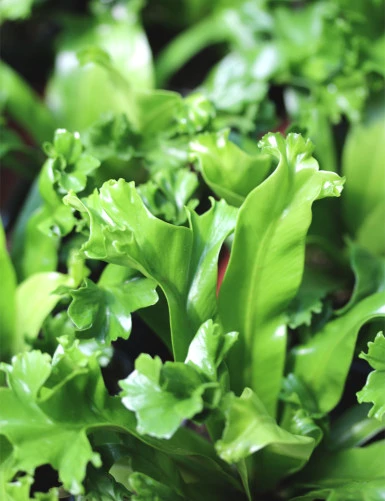
Doodia mediaCheck out our full fern growing guide for more tips (light, watering, substrate, common...
€5.95
Regular price
-15%
€7.00
Price
- -20%


mini-clods
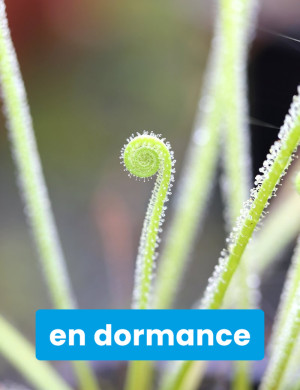
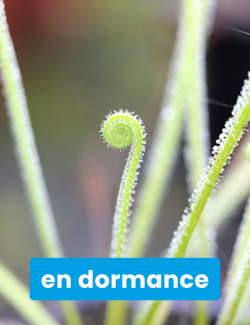
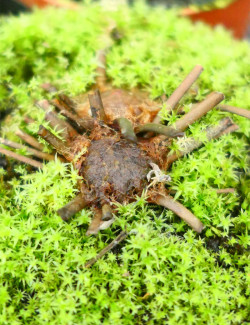
Drosera filiformis var. tracyi - Mini-clumpsIn spring, this carnivorous plant unfurls its leaves, more than 30 cm long, and leaves them...
€5.60
Regular price
-20%
€7.00
Price

- -20%


seeds-seedling-kits
Sarracenia x Moorei SeedsMore than 10 Sarracenia x Moorei seeds produced in our greenhouses to germinate in good...
€4.80
Regular price
-20%
€6.00
Price