No products available yet
Stay tuned! More products will be shown here as they are added.
Welcome to our growing guide and tips. This section gathers all the essential answers to successfully grow your plants, understand how they work, and avoid the most common mistakes.
Whether you are growing carnivorous plants, setting up a tropical terrarium, using sphagnum moss, xaxim or specific substrates, you will find clear, structured and directly applicable answers here.
Each page is organized as a FAQ with clear, concise, and directly applicable explanations. The goal is simple: to allow you to quickly obtain a reliable answer, without approximations or contradictory advice.
The guide is structured around three main themes to facilitate your navigation and provide a suitable answer to your needs:
This allows you to directly access a FAQ for each plant, delve deeper into a specific technique, or solve a specific problem in just a few minutes.
The advice we offer is based on our practical experience in cultivation and frequent customer feedback. Each recommendation aims to ensure your success and guide you towards solutions truly tailored to your situation.
If you're a beginner, this guide will help you lay a solid foundation. If you already have experience, you'll find more technical answers to refine your practices and links to explore further.
This section is regularly updated to include new topics: new cultivation methods, use of specific media, optimizations, or improvement of conditions indoors, in greenhouses and in terrariums.
Our goal is simple: to enable you to farm sustainably, efficiently and with confidence.
For more detailed guides and comprehensive dossiers, also consult our blog dedicated to plant cultivation, substrates and terrariums .
Subcategories
Each plant has its own specific requirements regarding light, watering, substrate, and care. This section contains FAQs dedicated to each type of plant to provide you with precise, tailored, and easy-to-apply advice.
Whether you are growing carnivorous plants, terrarium-adapted species or epiphytic plants, here you will find specific recommendations to understand their needs and avoid common mistakes.
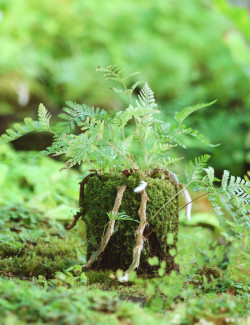
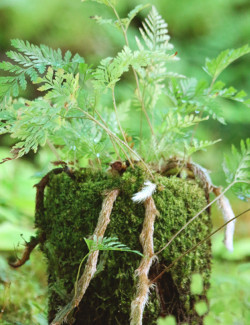
Growing conditions can vary greatly from one genus to another. A Venus flytrap (Dionaea) does not have the same requirements as a sundew (Drosera), a pitcher plant (Sarracenia), or a cephalotus. Similarly, Tillandsia, ferns, or Neoregelia require a different approach regarding humidity, substrate, and growing medium.
Each FAQ for each plant covers, in particular:
By accessing the page dedicated to your plant directly, you benefit from targeted information that allows you to adapt your cultivation practices and ensure healthy and sustainable growth.
You can also consult our sections dedicated to cultivation techniques or problems & solutions to delve deeper into a specific point.
Successfully growing a plant relies on mastering a few fundamental techniques. The choice of substrate, water quality, sowing method, and humidity management all directly influence the health and growth of the plants.
This section brings together all the FAQs dedicated to cultivation techniques, in order to provide you with precise and applicable answers, whether you are growing plants indoors, in a greenhouse or in a terrarium.
Each technique has its own specific characteristics and must be adapted to the type of plant being cultivated. You will find clear explanations here on:
Understanding these parameters helps to avoid common mistakes and to sustainably optimize your growing conditions.
The needs may vary depending on whether the plant is grown indoors, in a tropical terrarium, or in a greenhouse. Each technical FAQ helps you adjust your practices according to your setup and the equipment used.
Choose the technique that interests you below to access detailed answers.
You can also consult our sections dedicated to plant-specific cultivation advice or to problems & solutions to delve deeper into a specific point.
When a plant slows down, yellows, turns black, or mold appears, it's rarely helpful to "take a chance." This section contains diagnostic-oriented FAQs to quickly identify the most likely cause and apply the right solution.
Our answers are organized by symptoms and common situations. The goal is to help you make the right adjustments (water, light, substrate, ventilation, temperature) without resorting to unnecessary manipulations that could weaken the plant.
Each FAQ guides you on:
Here you will find answers on managing mold, fungi, rot, parasites, deformed leaves, or plants that wither after purchase, repotting, or a change of environment.
You can also consult our sections dedicated to plant-specific cultivation advice or cultivation techniques to delve deeper into a specific point.
Stay tuned! More products will be shown here as they are added.