- Rupture de stock
En culture
En culture
Nombre de pages > 727 pages
Éditeur > Redfern Natural History Productions Ltd
Date de publication > Février 2013
Langue > Anglais
ISBN > 9781908787002
.png) 3 expéditions par semaine
3 expéditions par semaine
Envois habituels les lundi, mercredi et vendredi sous réserve de contraintes de service.
 Paiement sécurisé
Apple Pay, PayPal, CB, Bancontact, Ideal, Chèque, Virement bancaire
 Emballages et calages
24 ans d'expériences dans l'emballage de nos plantes. 100% recyclés ou réutilisés.
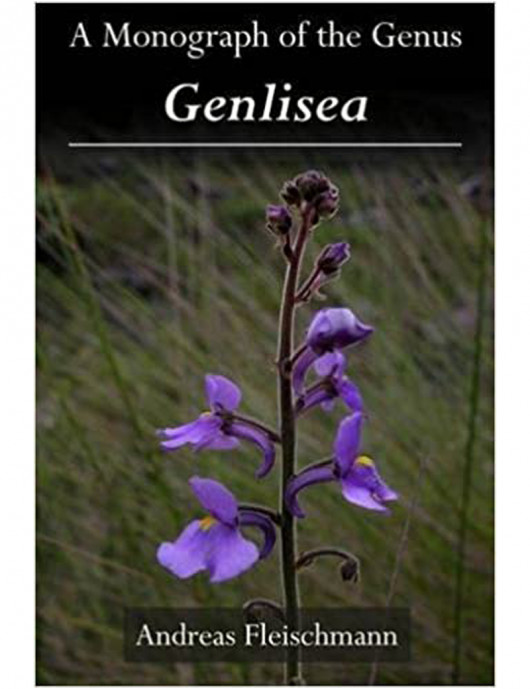
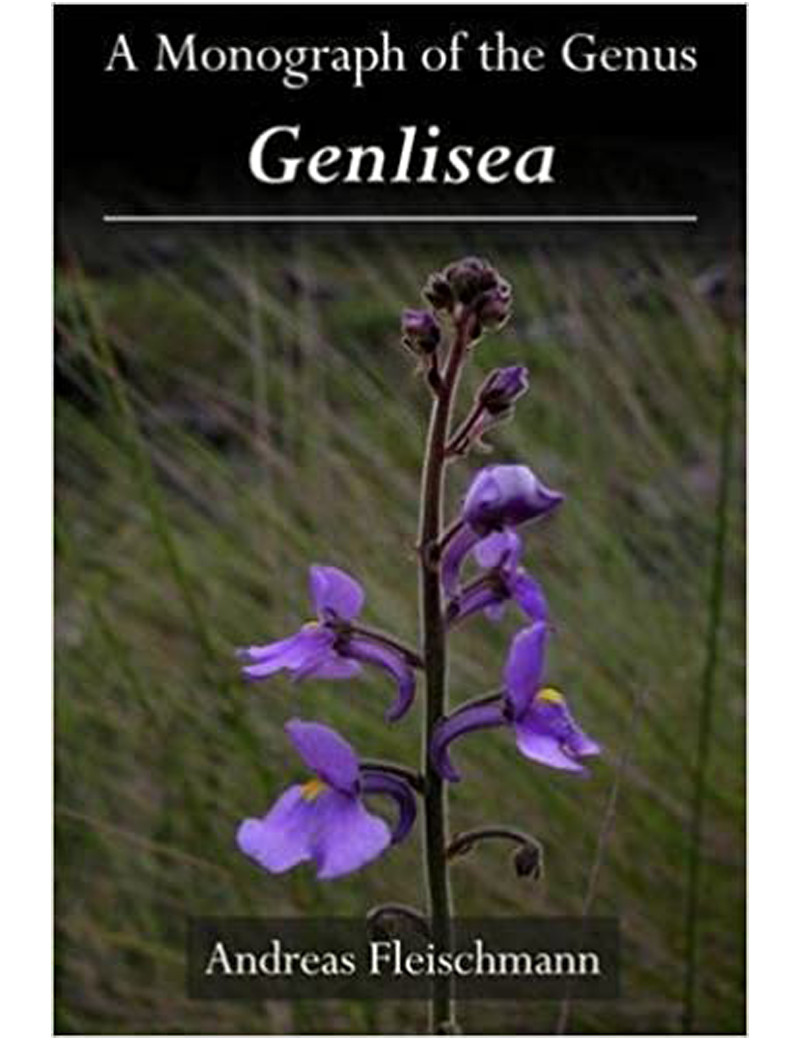
This work is the first complete monograph of all twenty nine species of Genlisea – the least understood of all carnivorous plants. Also known as corkscrew plants, Genlisea produce complicated, elegant, underground leaves that act as deadly traps to capture and kill micro-organisms. Four years in the making, this pioneering and definitive study examines all aspects of the biology, taxonomy, ecology and diversity of all Genlisea species for the very first time. Included in this monograph are many obscure species that have never been photographed or documented before, and one new taxon that is described and introduced in this work for the first time.
Monograph of the Genus Genlisea opens with a detailed overview of the carnivorous plants of the world, then examines the discovery and natural history of the genus Genlisea. Subsequent chapters then respectively document the vegetative morphology, Genlisea trap, generative morphology, ecology and habitats, distribution, and the phylogeny and evolution of the genus. The next chapter covers the taxonomy of the 29 recognised Genlisea species over four hundred pages (see contents tab). Each taxon is described in terms of leaf, trap and inflorescence morphology, distribution, habitat and herbarium material and is depicted lavishly through numerous photographs.
An extensive chapter documenting the cultivation of Genlisea plants is then included, along with an appendix, glossary, bibliography, index and an about the author chapter.
Nombre de pages > 727 pages
Éditeur > Redfern Natural History Productions Ltd
Date de publication > Février 2013
Langue > Anglais
ISBN > 9781908787002