Very beautiful Dionaea , the Dionaea dentata makes large chiseled traps whose teeth look somewhat like the dionaea bristle tooth but it is more upright and its teeth are finer.
This cultivar is erect in summer.
From September to March (dormant period) , the Dionaea dentata takes on a smaller form. The leaves are shorter and remain lying on the ground.
Is your Dionaea muscipula turning black or losing its traps? Consult our guide to understand the most frequent causes and take the right steps.
.png) 3 shipments per week
3 shipments per week
Usual shipments on Mondays, Wednesdays and Fridays, subject to service constraints.
 Secure payment
Apple Pay, PayPal, Credit Card, Bancontact, Ideal, Check, Bank Transfer
 Packaging and cushioning
24 years of experience in packaging our plants. 100% recycled or reused.
Use only rainwater, demineralized water, or reverse osmosis water. Water that is too hard (high in calcium) will kill the plant within a few weeks. Do not use bottled water, as it generally contains too many salts, which are harmful to the plant. In summer, place the plant in a large saucer filled with water. In winter, keep the potting mix moist.
In summer, the Venus flytrap thrives in temperatures above 30°C. However, do not exceed 45°C. In winter, place the carnivorous plant in a bright room for at least three months (generally from November/December to March/April) where the temperature can vary between 0 and 15°C. It can withstand frost. Below -5°C, be sure to use a large container and protect it with bubble wrap.
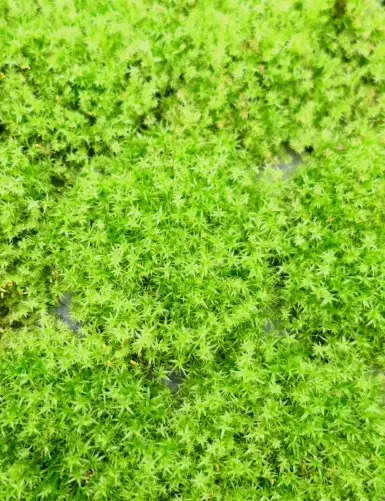
Carnivorous plant mix is the basic substrate for many species; you can make it yourself by mixing blonde peat , perlite , and vermiculite (4:1:1:1 ratio), or blonde peat and non-calcareous aquarium sand (2:1:1 ratio). Sphagnum moss is also suitable.
Full sun!

Very beautiful Dionaea , the Dionaea dentata makes large chiseled traps whose teeth look somewhat like the dionaea bristle tooth but it is more upright and its teeth are finer.
This cultivar is erect in summer.
From September to March (dormant period) , the Dionaea dentata takes on a smaller form. The leaves are shorter and remain lying on the ground.
Is your Dionaea muscipula turning black or losing its traps? Consult our guide to understand the most frequent causes and take the right steps.