- Out-of-Stock
En culture
En culture


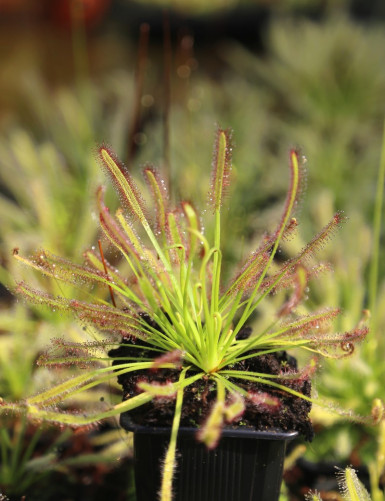
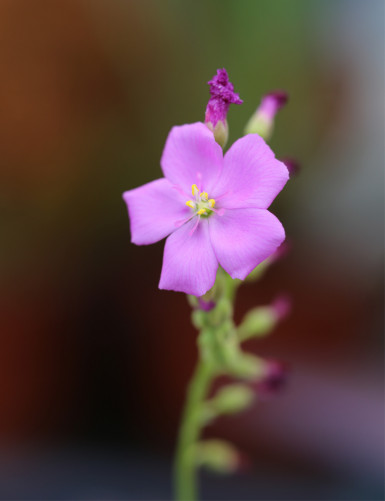
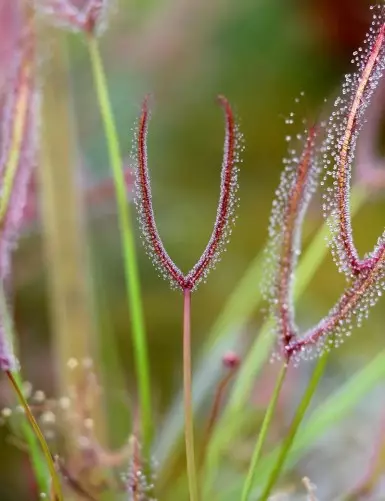
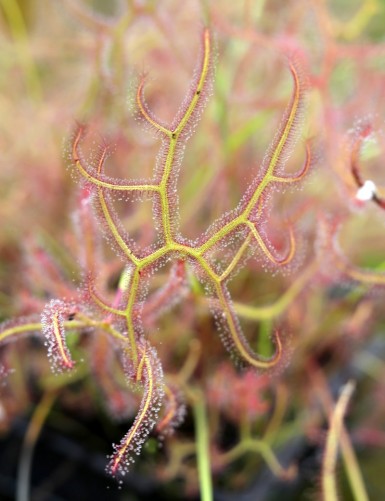
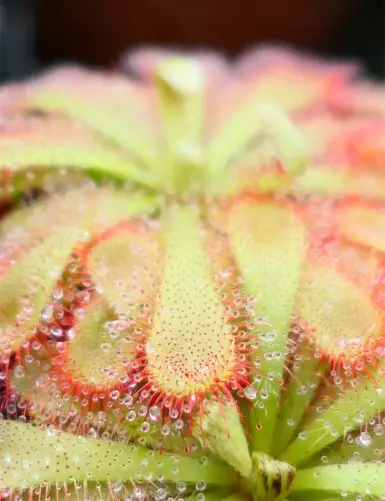
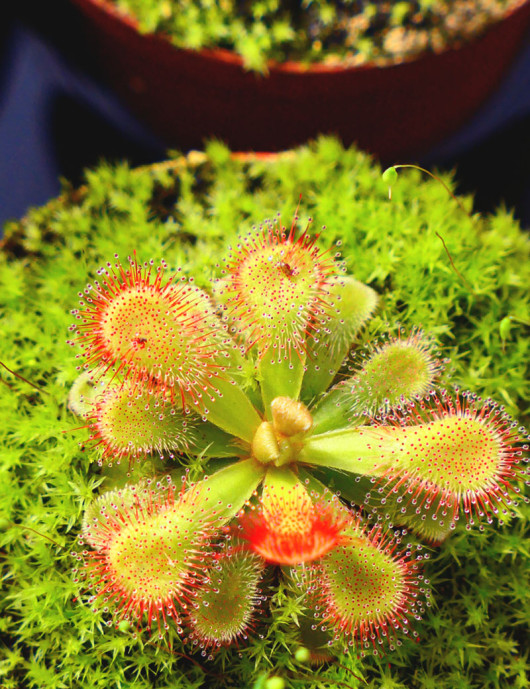
Drosera esterhyseniae x Slackii is a hybrid carnivorous plant resulting from the cross between Drosera esterhyseniae and Drosera slackii, both native to Australia .
With a more compact form than Why is my carnivorous plant dying ?
.png) 3 shipments per week
3 shipments per week
Usual shipments on Mondays, Wednesdays and Fridays, subject to service constraints.
 Secure payment
Apple Pay, PayPal, Credit Card, Bancontact, Ideal, Check, Bank Transfer
 Packaging and cushioning
24 years of experience in packaging our plants. 100% recycled or reused.
Use only rainwater, demineralized water, or reverse osmosis water. Water that is too hard (high in calcium) will cause the plant to wither within a few weeks. Do not use bottled water, as it generally contains too many salts, which are harmful to the plant. In summer, place the plant in a large saucer with water constantly.
In winter, keep the substrate moist without leaving the plant with its roots in water.
Up to 30°C in summer and from 0 to 15°C in winter.
Carnivorous plant mix is the basic substrate for many species; you can make it yourself by mixing blonde peat , perlite , and vermiculite (4:1:1:1 ratio), or blonde peat and non-calcareous aquarium sand (2:1:1 ratio). Sphagnum moss is also suitable.
For optimal growth, bright light is necessary. Drosera prefer partial shade , or full sun in the early morning or late afternoon. From spring to autumn, they grow by producing new leaves. In winter, if you cannot leave outdoors the species that need a cool winter dormancy, place them in a cool room under artificial light .
Absolutely forbidden! Plants provide for their own needs for organic nutrients thanks to their traps.
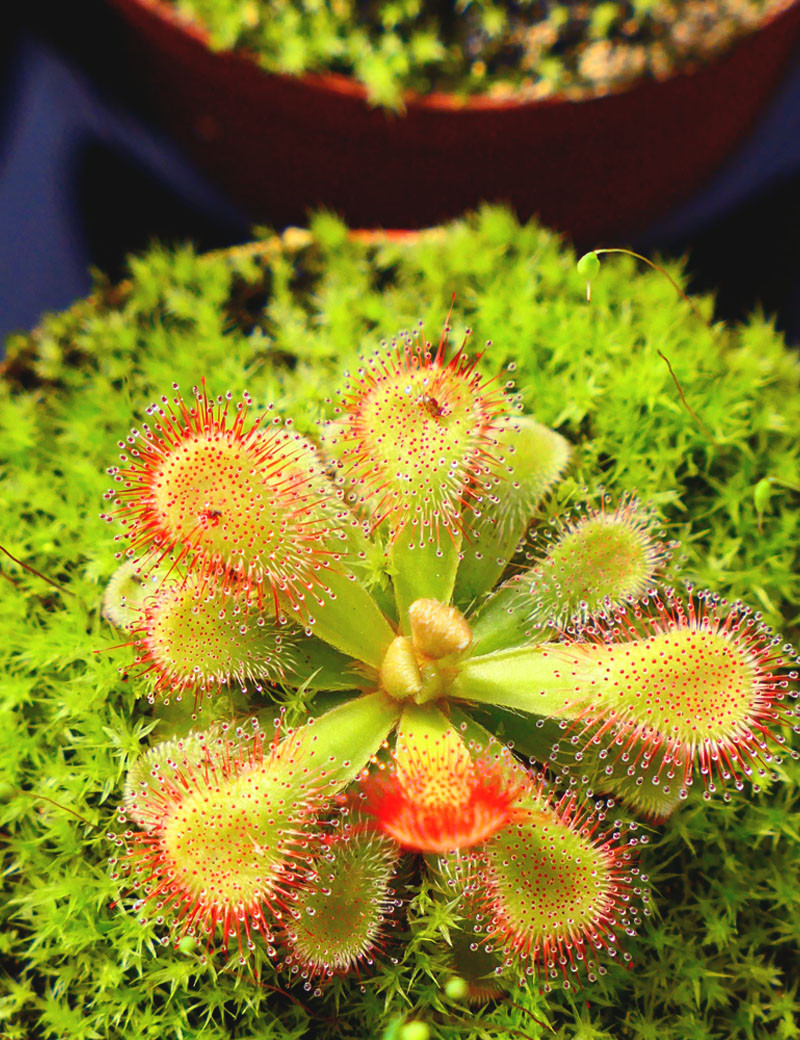
Drosera esterhyseniae x Slackii is a hybrid carnivorous plant resulting from the cross between Drosera esterhyseniae and Drosera slackii, both native to Australia .
With a more compact form than Why is my carnivorous plant dying ?