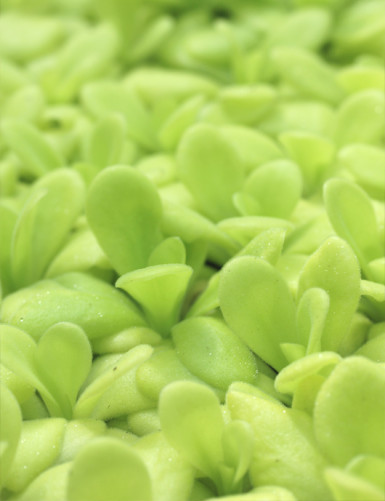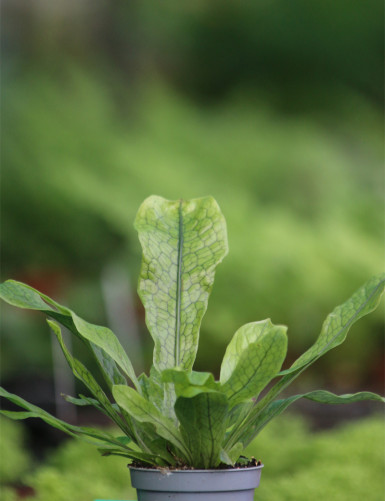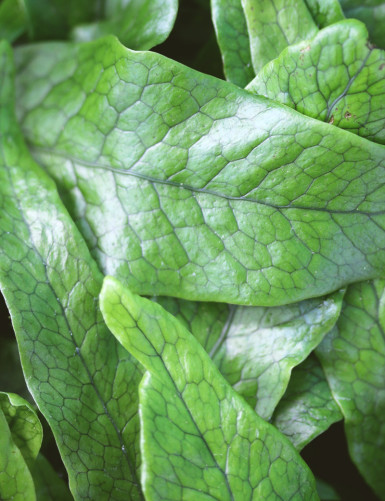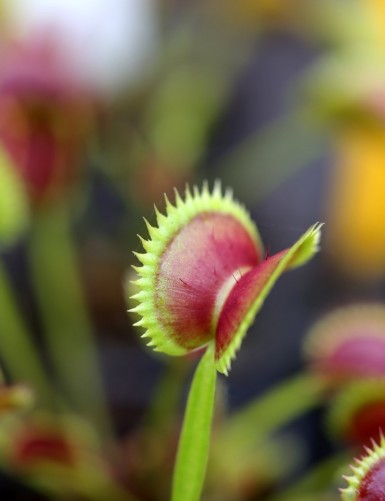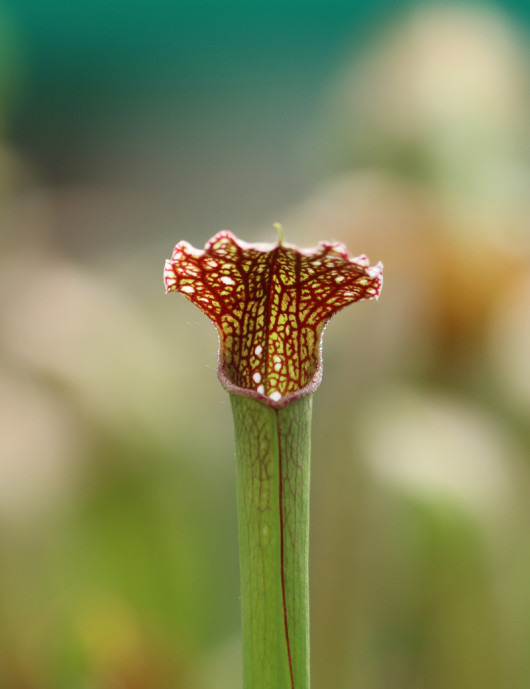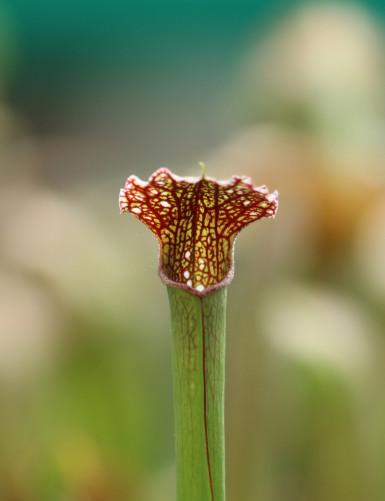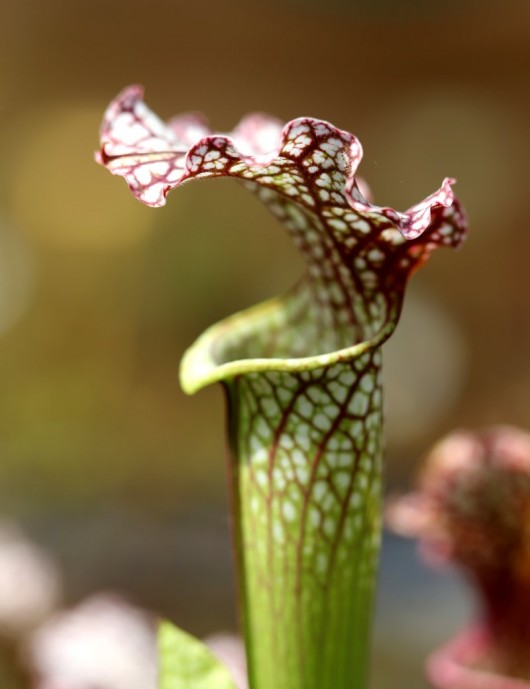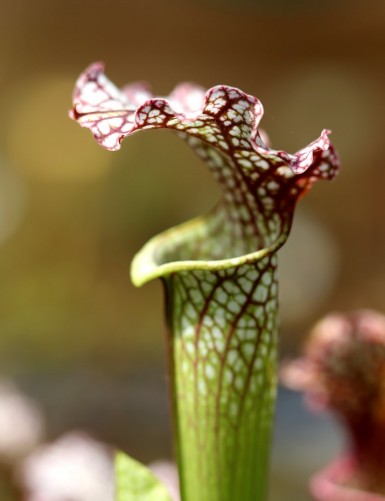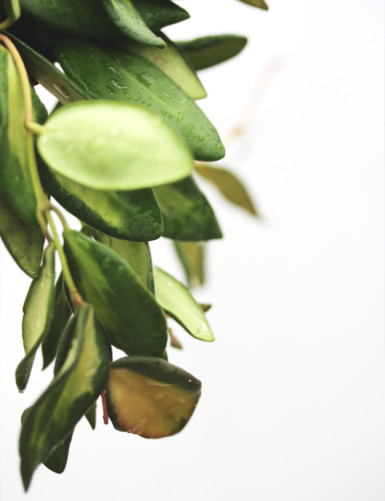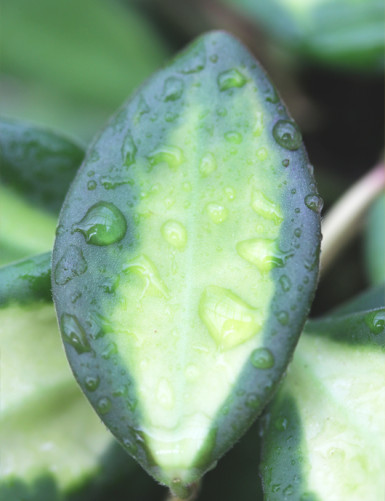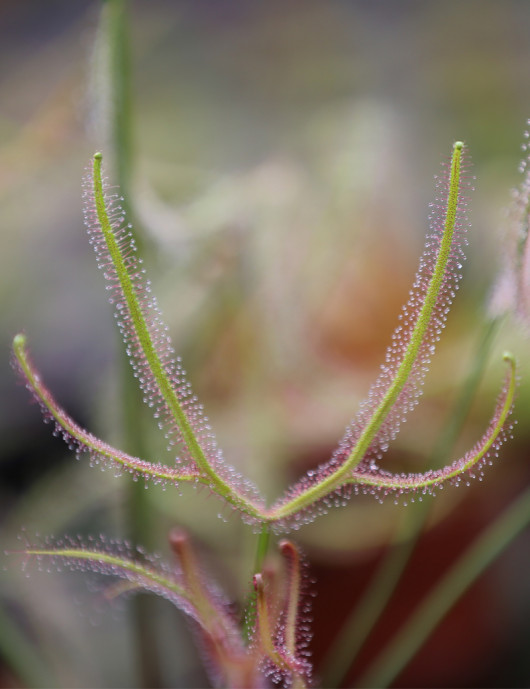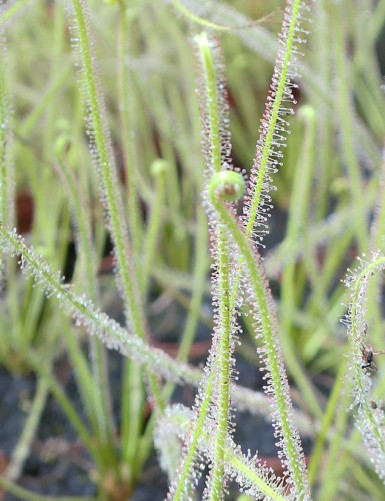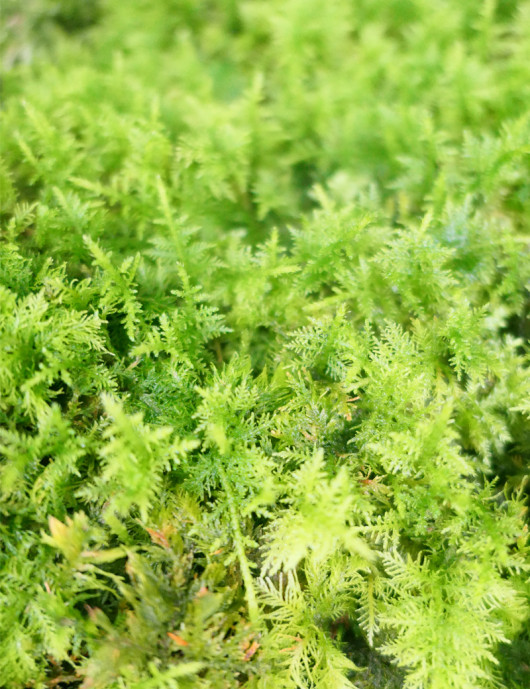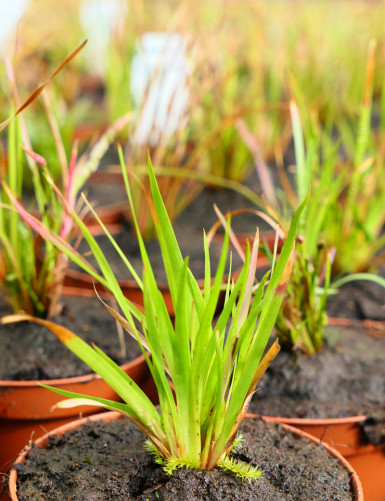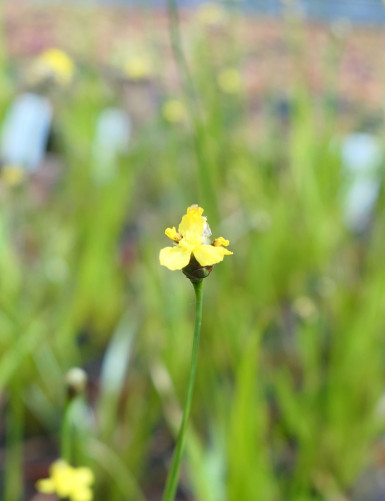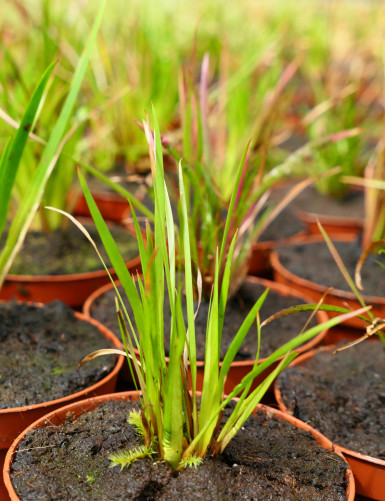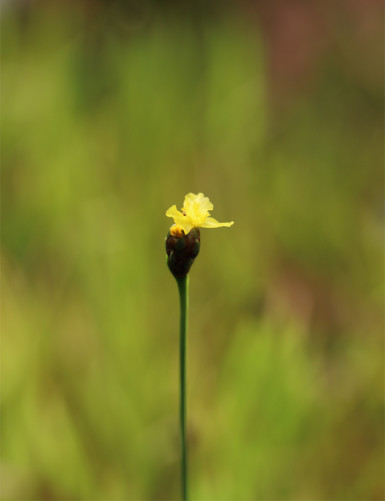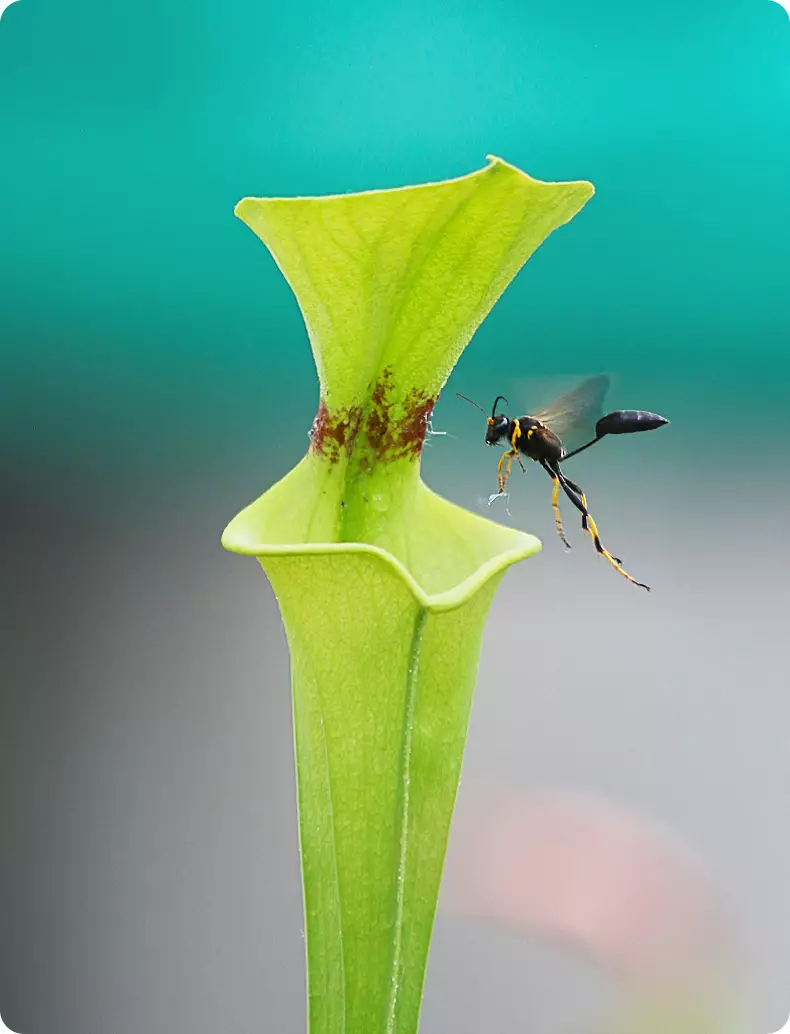
Nepenthes tentaculata is a superb carnivorous plant from Gunung Murud, on the island of Sarawak, Malaysia. The name is referring to the little "tentacles" it sports on the operculum. Immetiately recognizable, the traps are thin and slender, slightly thicker at the bottom, and ended by an oval opening with a thin peristome. The deep green leaves are thick and totally glabrous. Highland species. Click on the picture !
Liste des produits
Nom
Prix unitaire TTC (3)
Conseils spécifiques pour cette espèce
Température
Between 10 and 15°C at night, 20 and 30°C during the day.
Eau
Only rain, demineralized or osmosed water. A mineralized (and especially calcareous) water may be lethal in the long term.
Never let water stand in the tray because the roots may rot.
Engrais
Twice a month, you can use a 1/4 diluted orchids fertilizer.
Luminosité
No direct sun but about 50% of its luminosity.
Artificial light can be very beneficial or even necessary.
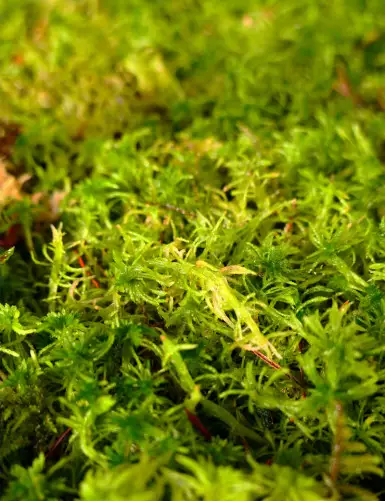
(1) Unless otherwise stated, the plants are shipped bare root, wrapped in moist sphagnum moss. Prepare everything you need to repot them upon arrival. Each Tillandsia and Neoregelia is wrapped in a dry padded box.

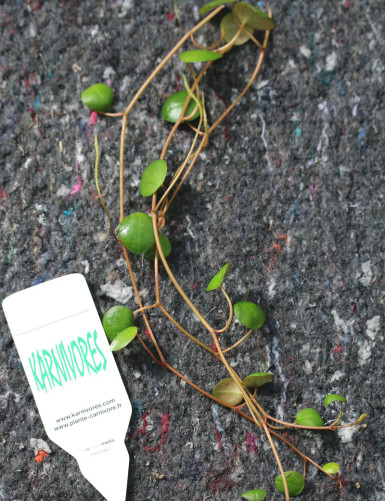
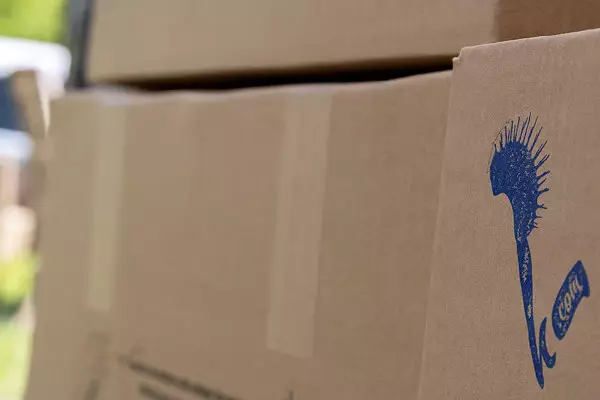
(2) With the Service Plus (when available), the plants are shipped in their original pot, in a protective box, with a "Karnivores" label on which you can write the name of the plant. There's no need to repot them upon arrival, and acclimatization is much faster and easier.
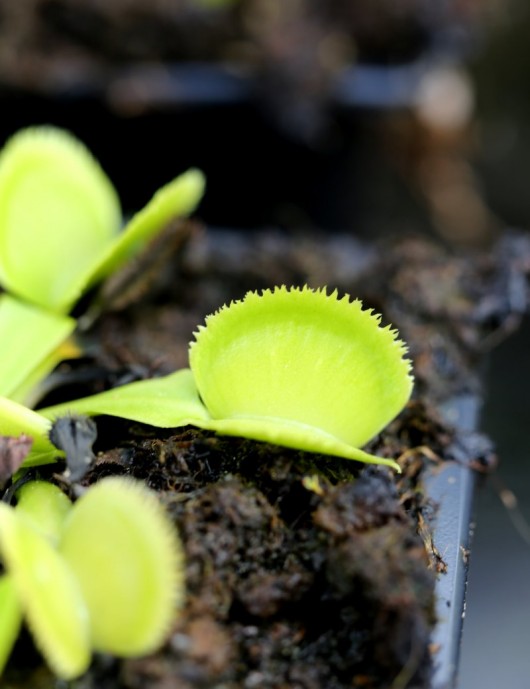
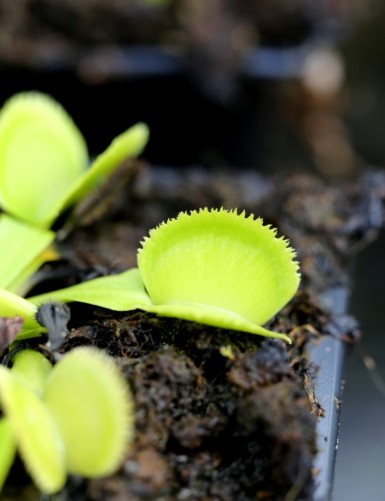
Batch of 2 Dionaea muscipula to be wrapped in the plastic bag.
Plants getting bare root, preparation of wet sphagnum moss and identification label.
Disposal of the sphagnum moss around the roots so as to ensure perfect protection and hydradation during the transport.
Wrapping of the plants and closing of the bag with the identification label.
Disposal in the cardboard box with protecting bubble paper, so that the elements cannot move or be flattened.
Our packaging "Service Plus".
Pot containing 2 Dionaea muscipula, with its future plastic box and its color identification label.
Disposal of the pot in its place. For the prostrated plants, the pot is covered with dried sphagnum moss and placed in a bag, which prevents the content from going away in the box. For erected plants, some cellophane is placed around the pot, leaving the foliage free.
Closing that immobilizes the pot, and placing of the color label that allows to identify the box content straightaway.
Disposal in the cardboard box with protection chips or bubble paper, so that the elements cannot move or be flattened.